




Description
A reverse osmosis systems is a water purification technology that uses a semipermeable membrane to remove ions, molecules, and larger particles from drinking water. The process involves applying pressure to the water on one side of the membrane, forcing it to pass through while leaving contaminants behind. Reverse osmosis is commonly used to purify drinking water, desalinate seawater, and even treat wastewater. The system typically consists of several stages, including pre-filtration, membrane filtration, and post-filtration, each of which plays a crucial role in producing clean, high-quality water.
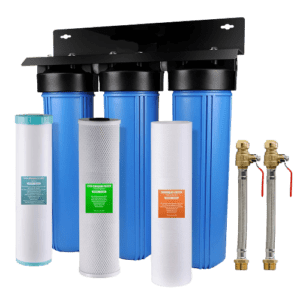
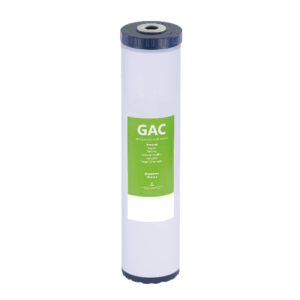
In a reverse osmosis systems, the pre-filtration stage is designed to remove larger particles, such as sediment, chlorine, and other impurities that could potentially clog or damage the membrane. This stage often includes a sediment filter, activated carbon filter, and sometimes a carbon block filter to ensure that the water entering the membrane is free from debris and contaminants.
The heart of the reverse osmosis systems is the semipermeable membrane, which acts as a barrier to allow water molecules to pass through while trapping dissolved solids, bacteria, and other harmful substances. The membrane’s small pore size ensures that only pure water can permeate, resulting in highly purified water on the other side.
After the membrane filtration stage, the water undergoes post-filtration to further enhance its quality. This stage may include another activated carbon filter to remove any remaining odors or tastes, as well as a polishing filter to ensure the water meets the desired purity standards.
Reverse osmosis systems are known for their ability to remove a wide range of contaminants, including heavy metals, dissolved solids, nitrates, and pesticides, making the water safe and pleasant to drink. Additionally, the process can effectively remove salts and minerals, making reverse osmosis ideal for desalination in areas where freshwater is scarce.
Overall, reverse osmosis systems are a highly effective and popular choice for residential, commercial, and industrial water purification needs. Their ability to produce clean, pure water by removing a wide array of impurities makes them an essential technology for ensuring access to safe and healthy drinking water.
One crucial aspect of reverse osmosis systems is their efficiency in removing various contaminants. The semipermeable membrane acts as a physical barrier, selectively allowing water molecules to pass through while blocking the majority of dissolved salts, minerals, and other impurities. This process leads to a significant reduction in total dissolved solids (TDS) in the water, resulting in a purer, clearer, and more refreshing taste compared to untreated water.
In addition to TDS, reverse osmosis systems are effective in removing pollutants such as lead, arsenic, fluoride, and various organic compounds that may be present in the water supply. The comprehensive filtration process helps ensure that the water produced by the system meets or exceeds regulatory standards for drinking water quality.
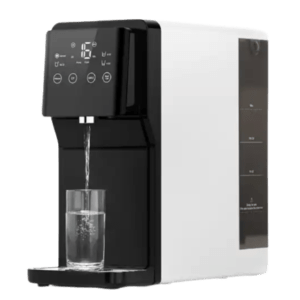
Another important consideration is the maintenance and upkeep of a reverse osmosis system. Regular maintenance, including replacing filters and inspecting the condition of the membrane, is essential to ensure consistent performance and water quality. Many systems are equipped with indicator lights or digital displays that signal when it’s time to change the filters, making it easier for users to stay on top of maintenance tasks.
Reverse osmosis systems come in various configurations to accommodate different usage scenarios. Residential systems are typically designed to fit under a kitchen sink and provide a dedicated supply of purified water for drinking and cooking. Meanwhile, commercial and industrial-scale systems can produce larger volumes of purified water to meet the demands of businesses, manufacturing facilities, and other applications.
It’s also worth noting that reverse osmosis technology has been instrumental in addressing water scarcity and brackish water treatment. By effectively removing salts and other contaminants from seawater and brackish sources, reverse osmosis has become a key method for producing freshwater in regions facing water shortages or limited access to clean water resources.
In summary, reverse osmosis systems offer a reliable, efficient, and versatile means of purifying water. Whether it’s for residential, commercial, or industrial use, these systems play a vital role in ensuring access to safe and high-quality drinking water while addressing environmental and public health concerns related to water contamination.
Reviews
There are no reviews yet.